
Cross Runner: Master Narrow Bridges, Jump Landings and Obstacle Timing
Improve Cross Runner with practical bridge alignment, hazard timing, landing checks and smarter coin and key collection routes.
Read article ↗
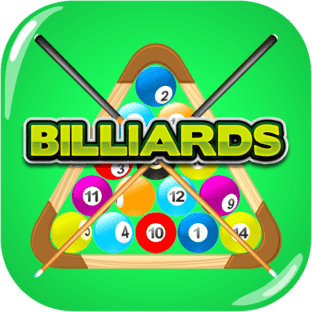
Pops Billiards offers a cue-and-pocket challenge where measured pace helps turn a clear angle into a controlled result.
Play here in the browser.
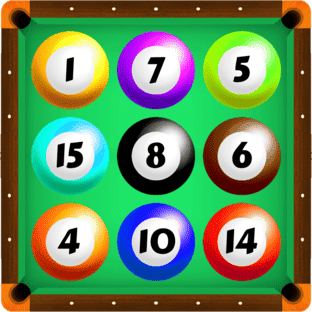 Pops Billiards
Choose the intended pocket before setting the cue line. Watch where the cue ball stops after contact, and use that position to plan rather than immediately aiming at the nearest remaining ball.
An easy corner pot can also leave the cue ball close to the rail. The strength of the stroke matters both for dropping the target ball and for leaving a useful angle when the table stops moving.
Pops Billiards opens a pool table with a cue ball, numbered balls and pockets around the playing surface. Before setting up the cue, choose the object ball and intended pocket. That pair gives the shot a purpose. Aiming only at the nearest ball may produce contact, but it does not explain where that ball should travel or what position the cue ball will occupy afterward. Inspect the route between the chosen ball and the pocket before deciding how to approach it.
The game provides a power indicator alongside the cue interaction. Use it as a reference when comparing attempts instead of relying on a vague impression of a strong or weak movement. Start with enough control to see what the contact does. If the line is wrong, adding more power can scatter the table without correcting the reason for the miss. Work on alignment first, then compare the pace needed for the intended travel. A measured attempt makes the outcome easier to connect with the action you chose.
Follow the cue ball after it contacts the target. Its final position becomes the starting point for the next shot, and a useful pocket attempt can still leave an awkward continuation. Watch for other balls blocking the chosen line and consider the space the cue ball needs after the collision. Once the balls stop, inspect the arrangement again. Do not reuse a plan simply because it looked sensible before the previous shot; the table may now offer a clearer option or a new obstruction.
On a phone, make the cue adjustment from a comfortable position that preserves the contact area in view. The numbered balls give each target a clear identity, helping you keep track of the one you intended to address. If an attempt misses, identify whether the issue was the pocket line, an intervening ball or excessive travel afterward. Choose the next correction from that observation. The central practice is deliberate cue placement followed by reading the table's response, so each shot prepares information for another decision rather than becoming an isolated hit.
Identify the object ball and the intended pocket, then inspect the route between them.
It gives you a reference when comparing the pace of attempts instead of guessing solely from the input movement.
Its resting position determines the approach available for your next shot.
First check alignment and obstructions. More force does not repair a line that never led to the intended pocket.
Found a control that behaves differently? Tell us the game name and your device.

Improve Cross Runner with practical bridge alignment, hazard timing, landing checks and smarter coin and key collection routes.
Read article ↗
Understand camera rotation, layer turns, centers, edges and corners in Cube 3D. Learn reversible moves and plan a standard 3×3 solve step by step.
Read article ↗
Learn the leaf traversal rules, plan flower-planting routes and use Undo to recover from awkward moves in Emoji Puzzle on RobixGame.
Read article ↗
Find exposed matches, clear rising rows and stay below the red line in Pet Merge on RobixGame. Includes a browser check, worked examples and a practi…
Read article ↗