
Cross Runner: Master Narrow Bridges, Jump Landings and Obstacle Timing
Improve Cross Runner with practical bridge alignment, hazard timing, landing checks and smarter coin and key collection routes.
Read article ↗
Super Pon Goal gives paddle defence a football setting, with angled returns deciding which goal the ball threatens next.
Play here in the browser.
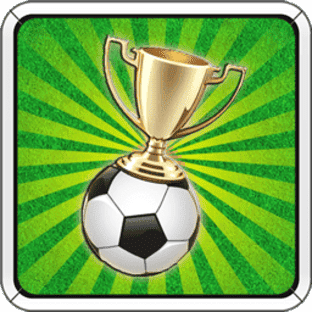 Super Pon Goal
Views, plays and likes include starting counts.
Recover toward a position that covers your own goal after striking. Chasing an attacking angle too far can leave a simple return unprotected, especially when the ball rebounds quickly.
Super Pon Goal combines paddle defence with a sports-field presentation. The menu offers one-player and two-player choices, along with settings for the ball, field, speed, round length and computer difficulty. Read those settings before starting so the match suits the pace you want. A slower or easier opening can help establish the paddle response, while a faster configuration places more pressure on the same basic task of meeting the ball.
Defend the ball's current line rather than chasing its previous position. A rebound changes the direction, so update your plan after every contact. Place the paddle where it can cover the threatened goal area and still recover for another exchange. Moving too far to pursue an aggressive angle can expose a simple return. Think of each hit as two decisions: the outgoing direction and the position from which you will handle the ball if it comes back.
Use the field boundaries to read rebounds. A side contact can create a different threat from a direct shot, even when the ball began in a familiar position. Watch the next contact point and adjust the paddle before the ball reaches your end. The timer gives the round context, but it should not pull your attention from an immediate return. Check the match information during a clear moment and then resume tracking the ball.
The two-player option changes who supplies the opposition, so confirm the controls for each side before play. On a phone, leave enough of the field visible around your touch area to follow an angled return. If a goal is conceded, identify whether you misread the rebound, moved too far from defence or tried to attack before covering the incoming line. That observation makes the next exchange more purposeful. Changing a ball or field appearance is different from learning its current movement. Build a repeatable habit of reading contact, covering the goal and recovering, then adjust the settings when you want a different pace of challenge.
The menu includes one-player and two-player options plus ball, field, speed, time and computer-difficulty settings.
An attacking angle can expose your goal if the ball returns before the paddle regains useful coverage.
Track the new line after contact and prepare the paddle for its approach to your end.
Check the input assigned to each side so both players can control their paddle.
Found a control that behaves differently? Tell us the game name and your device.

Improve Cross Runner with practical bridge alignment, hazard timing, landing checks and smarter coin and key collection routes.
Read article ↗
Understand camera rotation, layer turns, centers, edges and corners in Cube 3D. Learn reversible moves and plan a standard 3×3 solve step by step.
Read article ↗
Learn the leaf traversal rules, plan flower-planting routes and use Undo to recover from awkward moves in Emoji Puzzle on RobixGame.
Read article ↗
Find exposed matches, clear rising rows and stay below the red line in Pet Merge on RobixGame. Includes a browser check, worked examples and a practi…
Read article ↗