Cross Runner: Master Narrow Bridges, Jump Landings and Obstacle Timing
Improve Cross Runner with practical bridge alignment, hazard timing, landing checks and smarter coin and key collection routes.
Read article ↗
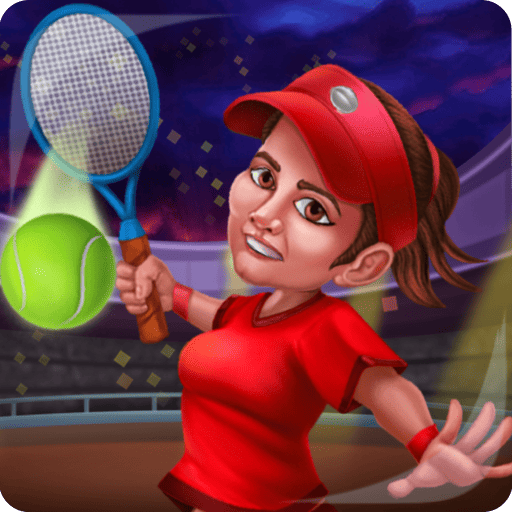
Meet incoming balls in Tennis Mania and time your returns to keep the exchange moving across the net.
Play here in the browser.
 Tennis Mania
Views, plays and likes include starting counts.
Prepare the player's position before the ball reaches the striking area. That early movement leaves more attention for contact timing than chasing a shot at the last moment.
Tennis Mania stages a racket-and-ball exchange between two sides, with animated players, a moving ball and visible scoring areas. The useful focus is contact: place the racket where the ball will arrive and time the action so that the return keeps play moving. The characters' arms and rackets are part of the motion, so judge the striking area rather than treating the player's body as the whole target.
Use the opening exchange to learn the relationship between your input and the racket movement. Watch the arm begin its action, then compare that moment with the ball's position. A press that feels immediate may still need to begin before the ball reaches the racket's strongest contact point. If a return fails, separate a positioning problem from a timing problem. Being in the right area with the racket moving too late is different from swinging at a ball that never entered that area.
Follow the ball after contact. Its direction tells you where the next part of the exchange is developing, and its height helps you anticipate how it will approach the other side. Preparing early is more useful than chasing only after the ball is already close. At the same time, avoid committing to a return based solely on the first part of its flight. Let the visible motion refine your expectation. The game's physical movement can make a small change at contact produce a noticeably different return, which is part of the challenge to observe.
The interface includes separate player controls and score tracking for the opposing sides. Read the chosen play setup before beginning, especially when sharing a screen, so each person knows which control belongs to which player. After a point, use the reset in attention to locate the ball again instead of continuing the previous swing by habit. A productive rally feels like a conversation between position and timing: get the racket into a useful area, meet the ball, then prepare for the next approach. Measuring improvement by cleaner contact and better preparation makes the game easier to understand than treating every missed return as a need for faster input.
Watch the racket and its arm action, rather than judging contact only from the player's body.
Check whether the ball entered the racket's area; if it did, reconsider timing, and if it did not, reconsider positioning.
Its new direction and height help you prepare for the next approach.
Confirm the selected play setup and which player control belongs to each side.
Found a control that behaves differently? Tell us the game name and your device.






Improve Cross Runner with practical bridge alignment, hazard timing, landing checks and smarter coin and key collection routes.
Read article ↗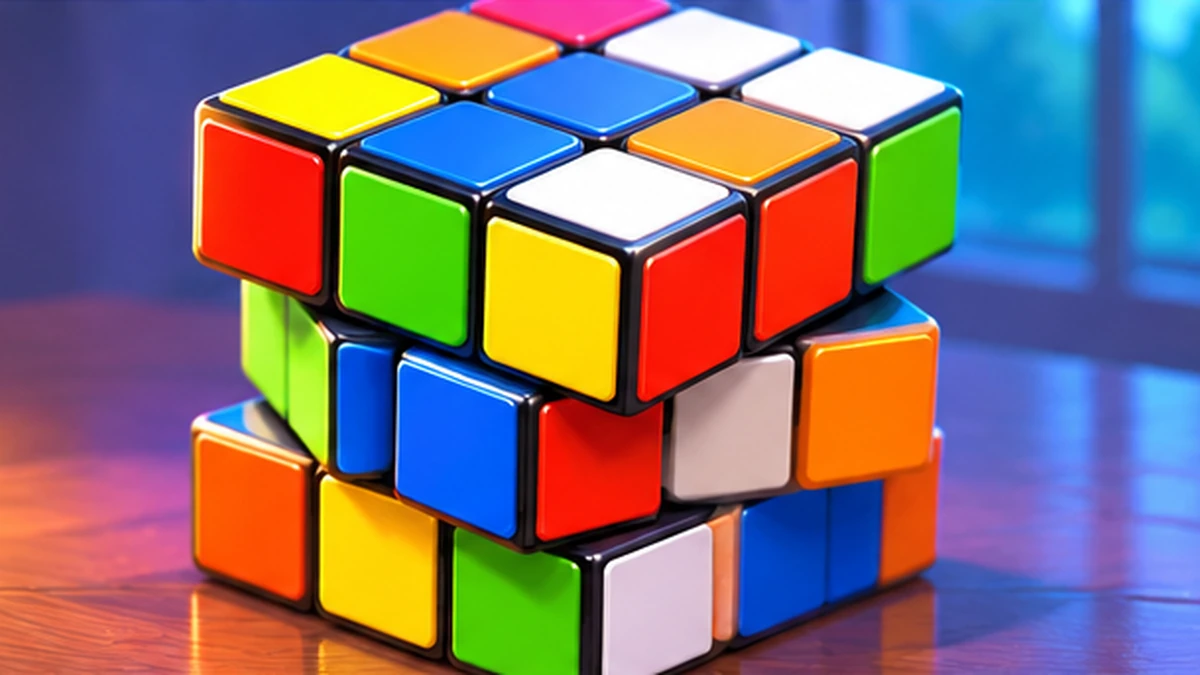
Understand camera rotation, layer turns, centers, edges and corners in Cube 3D. Learn reversible moves and plan a standard 3×3 solve step by step.
Read article ↗
Learn the leaf traversal rules, plan flower-planting routes and use Undo to recover from awkward moves in Emoji Puzzle on RobixGame.
Read article ↗
Find exposed matches, clear rising rows and stay below the red line in Pet Merge on RobixGame. Includes a browser check, worked examples and a practi…
Read article ↗