
Cross Runner: Master Narrow Bridges, Jump Landings and Obstacle Timing
Improve Cross Runner with practical bridge alignment, hazard timing, landing checks and smarter coin and key collection routes.
Read article ↗
Work out cue-ball angles in Billiards, then use measured power to turn a lined-up shot into a useful table position.
Play here in the browser.
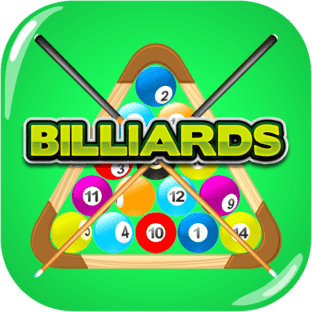 Billiards
Before striking, imagine where both balls will travel after contact. A successful pot can leave an awkward next shot if the cue ball runs too far, so power deserves the same attention as aim.
The cue ball stays where the shot leaves it. A ball near a pocket can be an easy pot, but striking it from a different direction or with more power can give you a very different second shot.
Billiards begins with a table setup that gives you a cue ball, a group of object balls and pockets around the playing surface. Starting the game opens the actual table rather than a separate selection of pool disciplines. Before making the first attempt, identify the cue ball and trace the line from it to the object ball you want to contact. The useful question is not simply whether you can hit a ball, but what that contact is likely to do to the rest of the table.
Begin with a measured cue movement. The drag interaction was checked on this edition, and it is worth using an uncomplicated opening shot to establish how the cue responds. Compare your intended line with the direction the cue ball actually travels. If the approach was inaccurate, make the next adjustment to alignment before adding more force. A stronger attempt can conceal an aiming mistake by scattering balls without showing you clearly which part of the contact was useful.
Think about the pocket from the object ball's position. A direct line between those two points helps you judge where the cue ball should make contact. If another ball occupies that line, acknowledge the obstruction before taking the shot. You may need a different target or a different approach. Avoid choosing a pocket only because it is closest on the screen; the angle and the available space around the intended ball matter as well. Leave time to inspect the layout again after each movement settles.
This game's display includes a timer, lives and a ball counter, so keep those visible while planning. Use the counters shown in the current round rather than assuming the turn rules of a different eight-ball game. The power indicator also provides a reference when comparing attempts. On a smaller display, a short, controlled drag can be easier to judge than a sweep that hides the contact area beneath your finger. As the arrangement opens, favour a shot you can explain: which ball you intend to contact, which pocket or lane you are targeting, and where you expect the cue ball to finish. That simple routine makes the next decision less dependent on guesswork.
The checked playfield displays a timer, lives and a ball counter. Follow those round indicators while planning your shot.
Yes. The cue drag interaction was checked on the playable table. Use a measured opening movement to learn its response.
Follow this game's visible instructions and counters. This guide does not claim that it uses the rules of another pool title.
Trace a line from the object ball toward the pocket, then check where the cue ball would need to contact it and whether that approach is clear.
A shot can move several balls and change later routes. Your previous plan may no longer describe the available angles.
Found a control that behaves differently? Tell us the game name and your device.












Improve Cross Runner with practical bridge alignment, hazard timing, landing checks and smarter coin and key collection routes.
Read article ↗
Understand camera rotation, layer turns, centers, edges and corners in Cube 3D. Learn reversible moves and plan a standard 3×3 solve step by step.
Read article ↗
Learn the leaf traversal rules, plan flower-planting routes and use Undo to recover from awkward moves in Emoji Puzzle on RobixGame.
Read article ↗
Find exposed matches, clear rising rows and stay below the red line in Pet Merge on RobixGame. Includes a browser check, worked examples and a practi…
Read article ↗