
Cross Runner: Master Narrow Bridges, Jump Landings and Obstacle Timing
Improve Cross Runner with practical bridge alignment, hazard timing, landing checks and smarter coin and key collection routes.
Read article ↗
Cube Dash sends a cube-shaped character through a coin-lined obstacle run that rewards well-judged take-offs.
Play here in the browser.
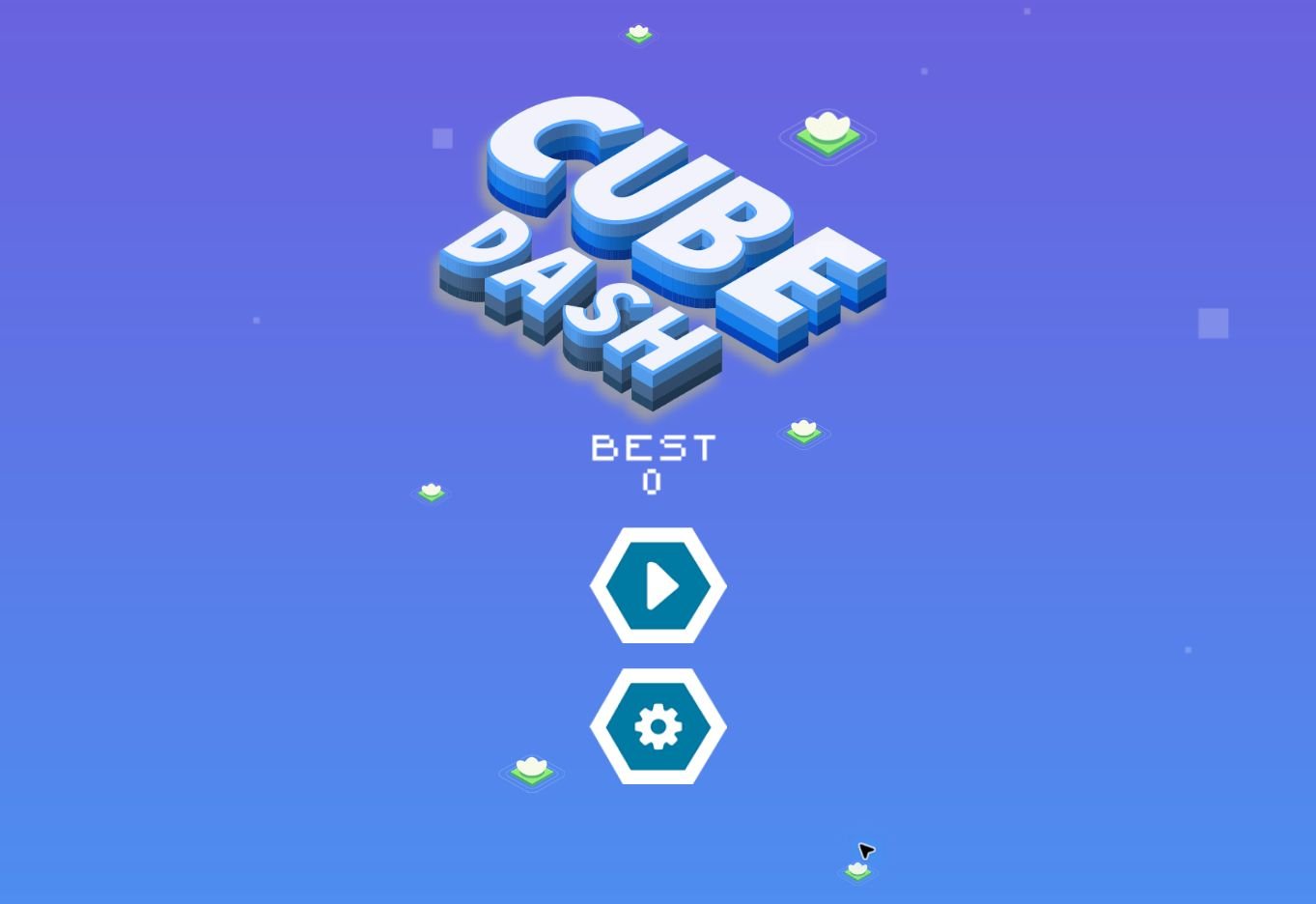 Cube Dash
Separate the decision to jump from the temptation to collect a coin. First confirm that the cube can clear the hazard and land safely, then take the pickup when it fits that route.
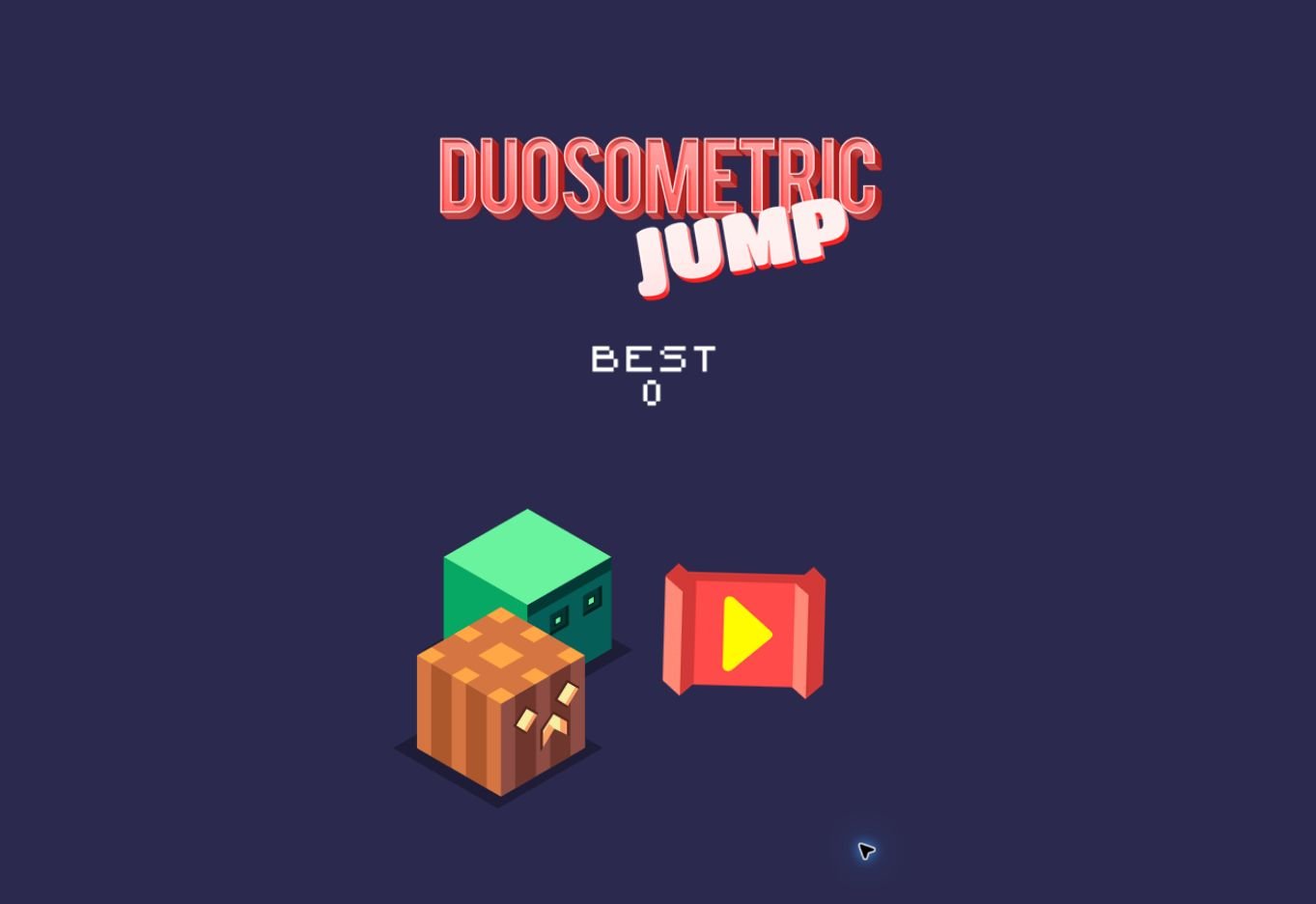
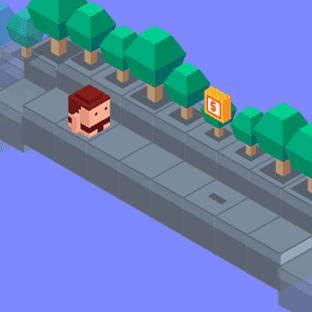
Cube Dash places a small block-shaped character on an isometric course with obstacles, raised blocks and coins. The menu lets you start a run and preview character choices, while the playfield keeps the score near the top. Begin by watching how the route advances and where your character sits within the view. The sloping perspective can make a nearby obstacle appear differently from one farther along the same line, so use the course edges as references rather than judging distance from screen height alone.
Inspect the section beyond the first obstruction. A clear approach can still lead into a crowded area where a late correction is difficult. Look for a route that preserves room for the following decision, and use the opening seconds to establish how the controls affect the character. Avoid treating every visible coin as an instruction to change course. A reward is useful when it belongs to a manageable path, not when reaching for it removes the space needed to avoid the next block.
The isometric view rewards a steady visual routine. Locate the character, identify the next obstacle and inspect the ground immediately beyond it. After an action, return to those same reference points instead of following only the score. This makes it easier to distinguish a planned movement from a moment when the scenery simply carries the run forward. On a phone, keep your finger away from the narrow section of course where the next gap is being judged.
A restart is an opportunity to test a specific observation. If the previous run ended near a particular arrangement, decide whether the problem was reading the perspective, acting too late or taking an unnecessary route toward a pickup. Change one part of that decision and compare the next attempt. Do not assume a different character appearance guarantees a change in performance. The reliable information remains the visible path, the obstacles and the response to your input. Learning those relationships gives the score a practical meaning: it reflects how long you kept producing useful route decisions through the course actually presented.
It uses an isometric view with a block-shaped character, obstacles and coins along the route.
The angled perspective changes how gaps appear. Compare features with the course edges and the character's position.
No. Check that its approach also leaves a manageable passage beyond the pickup.
Choose one earlier problem, such as late input or misreading a gap, and change that decision deliberately.
Found a control that behaves differently? Tell us the game name and your device.




Improve Cross Runner with practical bridge alignment, hazard timing, landing checks and smarter coin and key collection routes.
Read article ↗
Understand camera rotation, layer turns, centers, edges and corners in Cube 3D. Learn reversible moves and plan a standard 3×3 solve step by step.
Read article ↗
Learn the leaf traversal rules, plan flower-planting routes and use Undo to recover from awkward moves in Emoji Puzzle on RobixGame.
Read article ↗
Find exposed matches, clear rising rows and stay below the red line in Pet Merge on RobixGame. Includes a browser check, worked examples and a practi…
Read article ↗