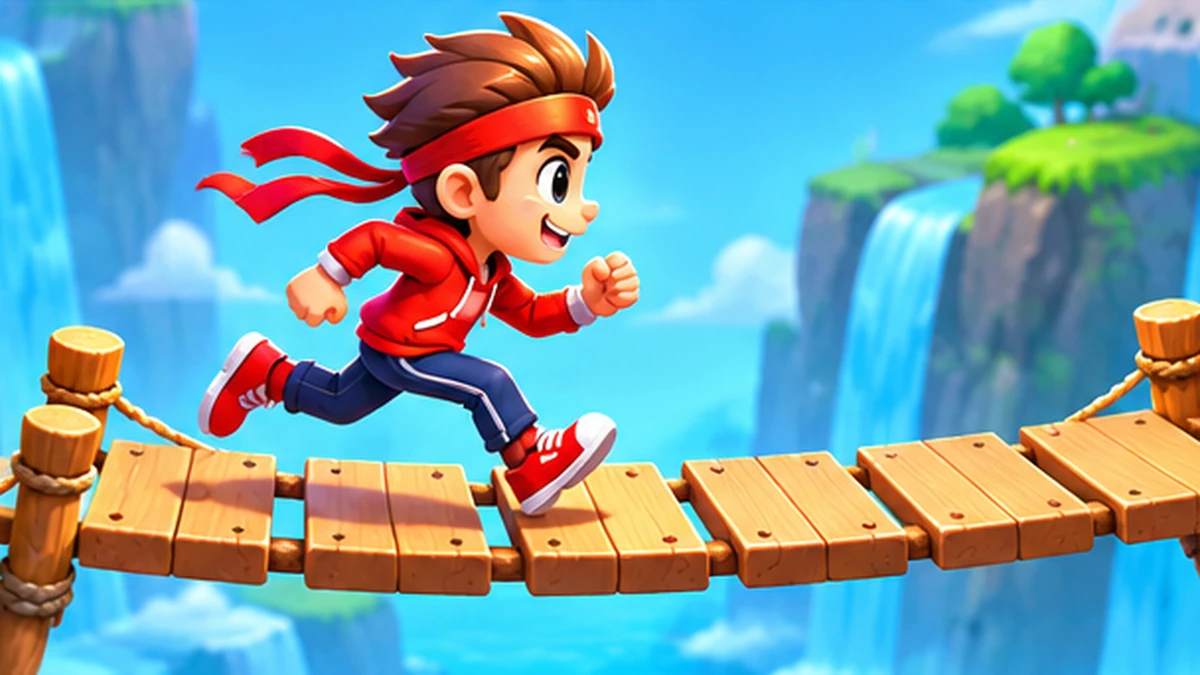
Cross Runner: Master Narrow Bridges, Jump Landings and Obstacle Timing
Improve Cross Runner with practical bridge alignment, hazard timing, landing checks and smarter coin and key collection routes.
Read article ↗
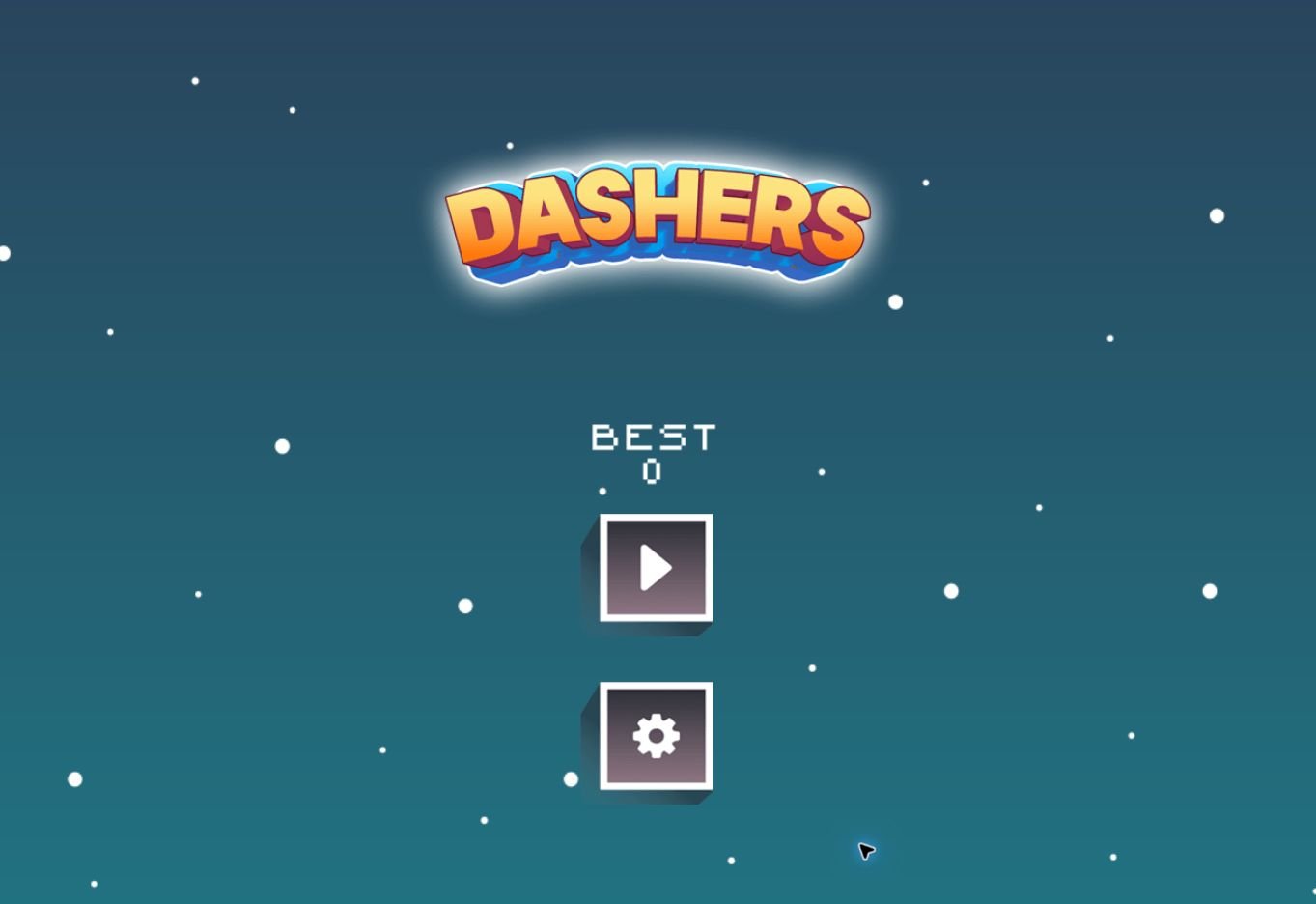
Dashers turns a quick-moving runner, block obstacles and scattered coins into a test of reading the next landing.
Play here in the browser.
 Dashers
Look past the first block before taking off. A jump that clears it comfortably may leave little space for the following hazard, so adjust to the whole sequence rather than chasing every coin.
Dashers sets a block-shaped character among obstacles, coins and a route whose upper and lower boundaries deserve attention. The menu includes a character choice before the course begins, so make the available selection and then inspect the opening scene. The character is only one part of the movement problem. The space around the next obstacle tells you what the following action must achieve and how much room remains if the adjustment is imperfect.
Look ahead far enough to distinguish a reachable coin from a useful route. A coin can sit near an obstacle that makes the approach more demanding than it first appears. Before pursuing it, identify where the character will need to go afterward. Collecting an item is less useful if the movement leaves no manageable continuation. When the course is unfamiliar, favour a clear opening that allows another decision rather than trying to reach every collectible immediately.
The game contains separate obstacle, rock and boundary elements, so do not assume every piece of scenery leaves the same clearance. Use the visible shape of each obstruction to judge the route. Make an initial control adjustment small enough to observe its result, then compare the character's actual position with your intended one. If the response surprises you, repeat a simpler movement before adding a second correction. This helps prevent a series of hurried inputs from becoming harder to understand than the obstacle itself.
Keep the coin indicator in view between difficult sections, but return attention to the path before making the next movement. On a phone, avoid covering the area the character is approaching. If a run ends, recall which boundary or obstruction became urgent first and how much time you had to react. A later attempt can then focus on reading that kind of opening earlier. Dashers rewards a habit of connecting the present movement with the next usable space: observe the approach, act with a purpose, and reassess the route rather than continuing a correction after the character has already reached a safer line.
Read the opening course, especially the character's clearance from obstacles and the upper and lower boundaries.
Compare their approach with the route afterward. A collectible is optional to your immediate movement decision when it creates an awkward continuation.
The game includes obstacles, rocks and boundary blocks. Judge their visible shapes instead of treating all scenery as open space.
Begin with a modest input and observe the resulting position before adding another correction.
Identify the obstruction or boundary that became urgent first, then try reading that approach earlier on the next attempt.
Found a control that behaves differently? Tell us the game name and your device.





Improve Cross Runner with practical bridge alignment, hazard timing, landing checks and smarter coin and key collection routes.
Read article ↗
Understand camera rotation, layer turns, centers, edges and corners in Cube 3D. Learn reversible moves and plan a standard 3×3 solve step by step.
Read article ↗
Learn the leaf traversal rules, plan flower-planting routes and use Undo to recover from awkward moves in Emoji Puzzle on RobixGame.
Read article ↗
Find exposed matches, clear rising rows and stay below the red line in Pet Merge on RobixGame. Includes a browser check, worked examples and a practi…
Read article ↗