
Cross Runner: Master Narrow Bridges, Jump Landings and Obstacle Timing
Improve Cross Runner with practical bridge alignment, hazard timing, landing checks and smarter coin and key collection routes.
Read article ↗
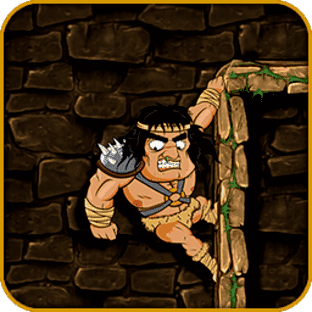
Help a thief climb a building in Floor Jumper Escape by making each jump meet the next available floor.
Play here in the browser.
 Floor Jumper Escape
Views, plays and likes include starting counts.
Look at where the character will land, not just the height it can reach. A jump near an edge can miss the usable floor even when the next platform appears close enough.
Floor Jumper Escape follows a thief climbing through a building rather than running along a flat course. Floors and walls define the available route, while money provides opportunities along the ascent. The next useful jump depends on the support waiting above, so inspect that destination before acting. Reaching a higher area matters only if the movement meets a floor the character can use for the following part of the climb.
Read the floor openings as a sequence. A nearby landing can look straightforward but leave an awkward angle toward the next one. Before taking off, identify the usable edge, the space above it and the area available after landing. Keep the character's position in that picture rather than judging a gap only by its apparent size. A small change in the starting point can affect the timing needed to meet the next surface.
The game's escape setting includes police and alarm imagery, but the immediate climbing problem is still the route between floors. Avoid letting the theme push you into an input before you have read the opening. Money can be useful to pursue when it fits the same line as a manageable landing. If it pulls attention away from the support ahead, return to the basic task of completing the next movement safely and reassessing from there.
Use the help screen when learning the jump action, then make the first attempts simple enough to compare. When a jump fails, recall whether the destination was missed because of timing, the starting position or a mistaken reading of the floor. That distinction gives another attempt a concrete adjustment. On a small screen, keep the area above the thief visible rather than covering the intended landing with your finger. A steady climbing routine links each takeoff to a visible support and a next step. Following that chain is more useful than trying to rush upward without knowing which surface the character is meant to reach.
A thief climbs between building floors. The next support and the available opening determine the useful jump.
Inspect the landing and its continuation. Reaching a floor is more useful when it leaves a manageable next step.
Consider whether the pickup lies along a workable landing route instead of diverting attention from the support above.
The game includes a help screen. Use its visible instructions before comparing opening attempts.
Consider the takeoff position, timing and the opening you were aiming for so the next attempt changes a specific part.
Found a control that behaves differently? Tell us the game name and your device.

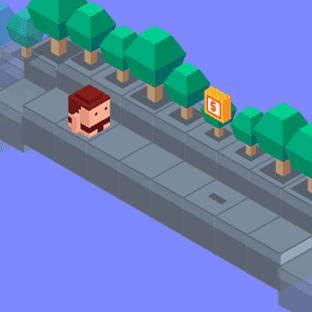










Improve Cross Runner with practical bridge alignment, hazard timing, landing checks and smarter coin and key collection routes.
Read article ↗
Understand camera rotation, layer turns, centers, edges and corners in Cube 3D. Learn reversible moves and plan a standard 3×3 solve step by step.
Read article ↗
Learn the leaf traversal rules, plan flower-planting routes and use Undo to recover from awkward moves in Emoji Puzzle on RobixGame.
Read article ↗
Find exposed matches, clear rising rows and stay below the red line in Pet Merge on RobixGame. Includes a browser check, worked examples and a practi…
Read article ↗