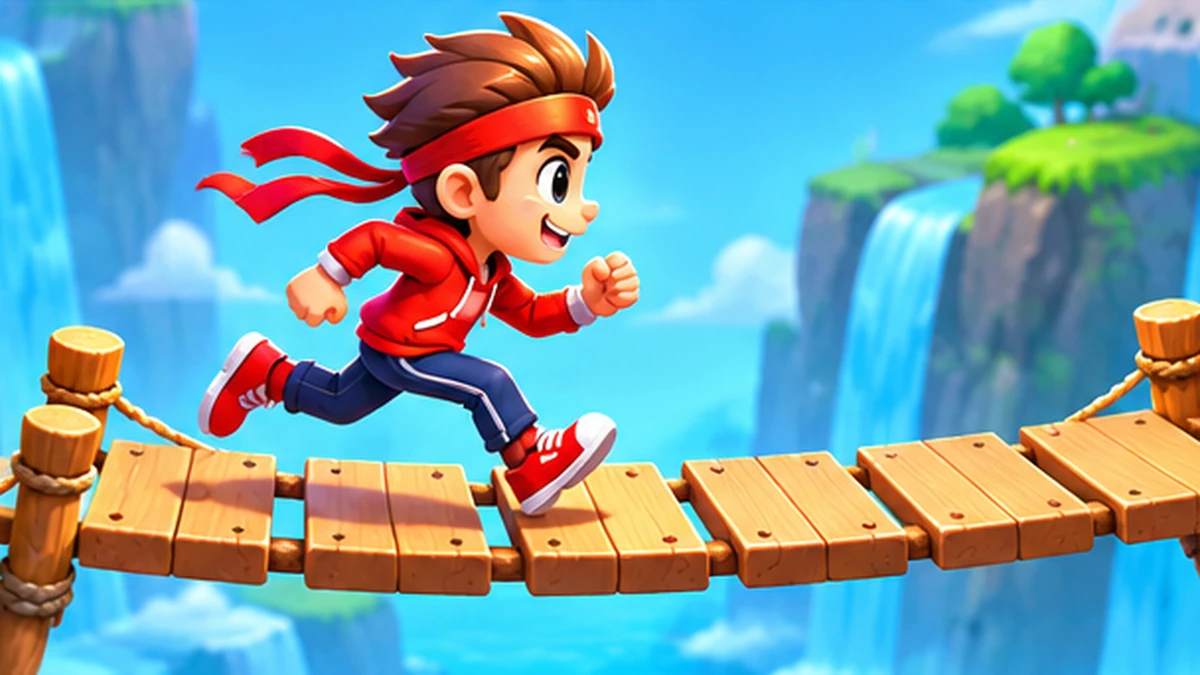
Cross Runner: Master Narrow Bridges, Jump Landings and Obstacle Timing
Improve Cross Runner with practical bridge alignment, hazard timing, landing checks and smarter coin and key collection routes.
Read article ↗
Steer a numbered train through Train Blocks, collecting useful additions and choosing barriers that its current strength can handle.
Play here in the browser.
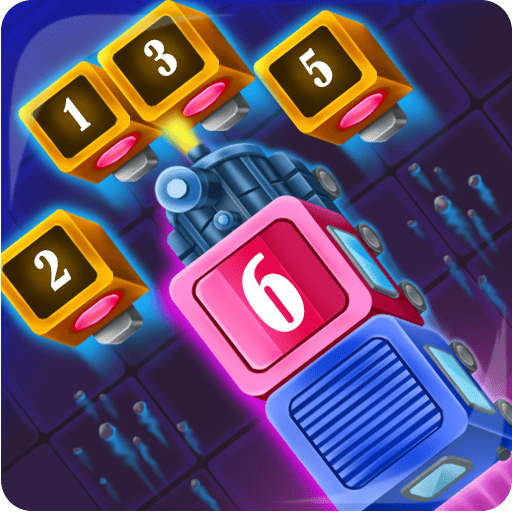 Train Blocks
Read the available lanes before the train reaches the block row. A smaller barrier may preserve enough strength for the next section, even when another lane has a tempting reward in front of it.
The train's number gives you a way to compare two barriers before choosing a lane. Collecting useful additions can make a block manageable later, while hitting a large barrier first can use up the strength needed for the next row.
Train Blocks places a numbered train on a route with collectible additions and block barriers. The train's current value and the numbers on approaching blocks provide the main planning information. Begin by locating both displays before changing lanes. A barrier that looks visually small can still demand more than the train can comfortably give, while another lane may preserve enough value to continue into the following section.
Compare the whole row before choosing a passage. The nearest collectible is not automatically the best approach if it leads directly into a demanding block. Follow the intended lane through the barrier and inspect what comes next. A lower-cost crossing can be useful even when another lane offers an attractive addition immediately beforehand. The objective is to keep the train viable across a sequence, not simply maximise the value shown for one brief moment.
Use the movement cue to make a deliberate lane choice early enough to judge its result. A late correction near a block row can move the train toward a different barrier from the one you intended. Once aligned, reassess before steering again rather than turning every visible reward into a new direction. The game also includes booster and shield-related information, so read the current indicator before relying on an effect. Do not assume an item remains active after the visible cue changes.
The score, player value and block values describe different parts of the run. Watch the numbers relevant to the next collision rather than treating the score alone as a measure of immediate safety. On a phone, keep the upcoming row visible around your drag or movement area. After an unsuccessful attempt, identify the decision that left too little value or too little correction room. Another run can then test an earlier lane choice or a more conservative crossing. Train Blocks becomes easier to reason through when every collection and barrier is considered together: what the train gains, what the passage costs and what remains available for the next visible challenge.
Compare the train's current value with the values of the available block passages.
Yes. Consider what remains after the crossing rather than only the pickup in front of it.
An earlier alignment leaves time to confirm the intended barrier and avoid a rushed correction.
No. Read the value relevant to the next barrier; score and immediate collision capacity describe different things.
Found a control that behaves differently? Tell us the game name and your device.




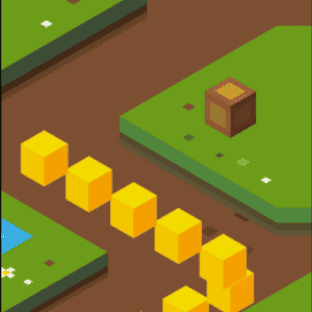
Improve Cross Runner with practical bridge alignment, hazard timing, landing checks and smarter coin and key collection routes.
Read article ↗
Understand camera rotation, layer turns, centers, edges and corners in Cube 3D. Learn reversible moves and plan a standard 3×3 solve step by step.
Read article ↗
Learn the leaf traversal rules, plan flower-planting routes and use Undo to recover from awkward moves in Emoji Puzzle on RobixGame.
Read article ↗
Find exposed matches, clear rising rows and stay below the red line in Pet Merge on RobixGame. Includes a browser check, worked examples and a practi…
Read article ↗