
Cross Runner: Master Narrow Bridges, Jump Landings and Obstacle Timing
Improve Cross Runner with practical bridge alignment, hazard timing, landing checks and smarter coin and key collection routes.
Read article ↗
Set up a Viking's weapon throw in Viking Attack, using the opponent's position to judge a useful aiming direction.
Play here in the browser.
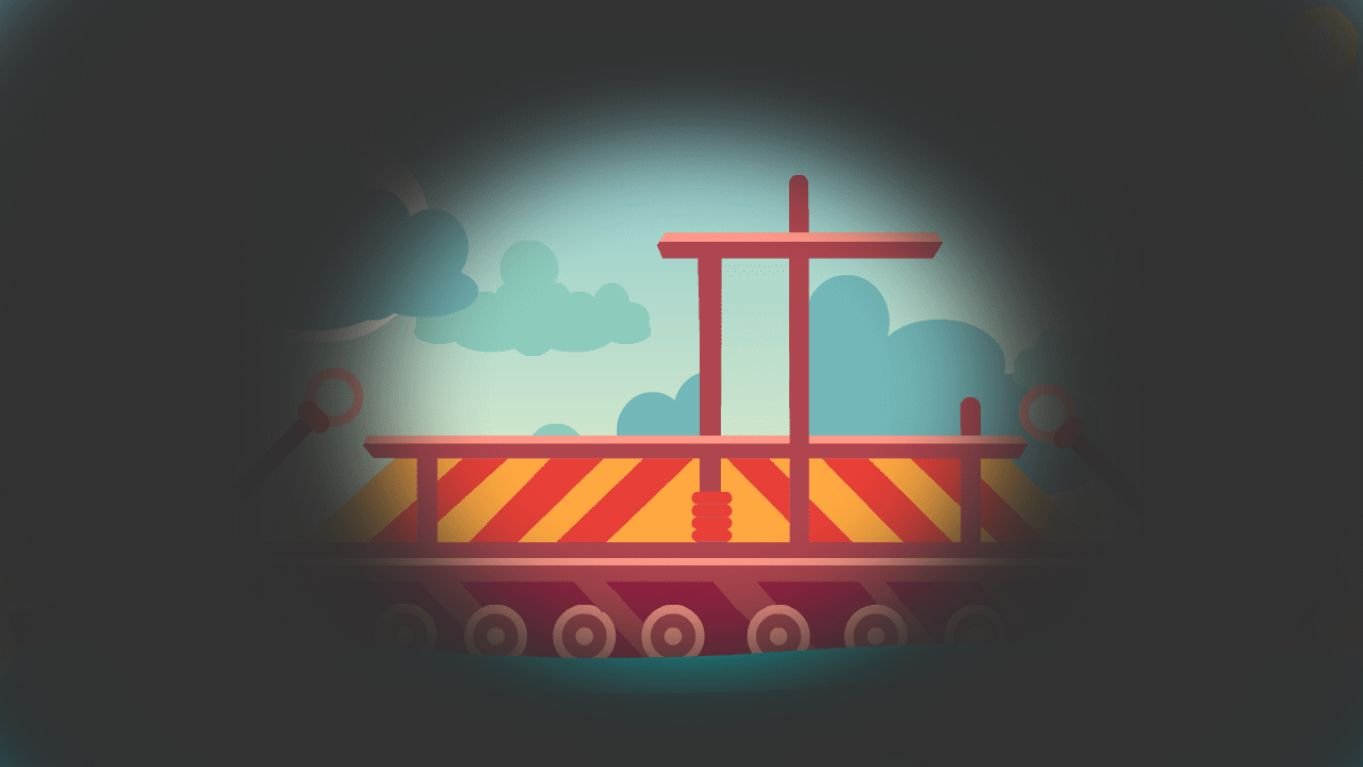 Viking Attack
Read the result of the first attempt before changing the next throw. A near miss tells you more than a rushed repeat, especially when a small angle adjustment can alter the contact point.
Viking Attack centres on a weapon throw between opposing fighters. An aiming marker and turn information help frame the action, while the menu offers tournament and two-player choices. Start by identifying the active Viking, the opponent and the target line. The first useful throw is one you can understand from preparation through landing, because its result provides a reference for the next adjustment.
Judge the opponent's position before setting the throw. A higher or lower contact requires a different direction, so inspect the space between the fighters rather than relying on the last successful gesture. After release, follow the weapon to its end. A near miss can reveal whether the direction was too steep, too shallow or otherwise outside the useful target area. That observation is more valuable when the next correction changes one part of the setup instead of replacing the entire aiming decision.
The turn-based presentation gives you a moment to inspect the scene. Use it to compare your intended line with the opponent's current placement. If the camera or arena changes, rebuild the reference rather than assuming screen coordinates from the previous throw remain valid. In a two-player game, confirm which input controls the active side before attempting the shot. This avoids confusing an inactive turn with an unresponsive control.
Winning and tournament feedback supply the broader purpose, but the immediate decision remains the current throw. Read the result, then return to the visible aiming situation. On a phone, keep the marker and opponent clear of your finger so a small direction change remains deliberate. If an attempt fails, identify the most useful evidence it supplied: the weapon's height, its landing relative to the target or the amount by which the line missed. Carry one of those details into the following setup. Viking Attack is easier to learn through controlled comparisons between throws than through rapid repetition, because a small aiming correction can change the point of contact while preserving the part of the previous attempt that was already close.
Locate the active fighter, the opponent and the aiming marker for the current turn.
Watch its height and landing relative to the target, then adjust one part of the aiming direction.
A turn assigned to the other fighter should not be mistaken for a failed input.
Recheck the visible line and opponent placement instead of relying on previous screen coordinates.
Found a control that behaves differently? Tell us the game name and your device.


Improve Cross Runner with practical bridge alignment, hazard timing, landing checks and smarter coin and key collection routes.
Read article ↗
Understand camera rotation, layer turns, centers, edges and corners in Cube 3D. Learn reversible moves and plan a standard 3×3 solve step by step.
Read article ↗
Learn the leaf traversal rules, plan flower-planting routes and use Undo to recover from awkward moves in Emoji Puzzle on RobixGame.
Read article ↗
Find exposed matches, clear rising rows and stay below the red line in Pet Merge on RobixGame. Includes a browser check, worked examples and a practi…
Read article ↗