
Cross Runner: Master Narrow Bridges, Jump Landings and Obstacle Timing
Improve Cross Runner with practical bridge alignment, hazard timing, landing checks and smarter coin and key collection routes.
Read article ↗
Keep a little flying pig between obstacles in Flappy Pig by balancing short upward flaps with room to descend.
Play here in the browser.
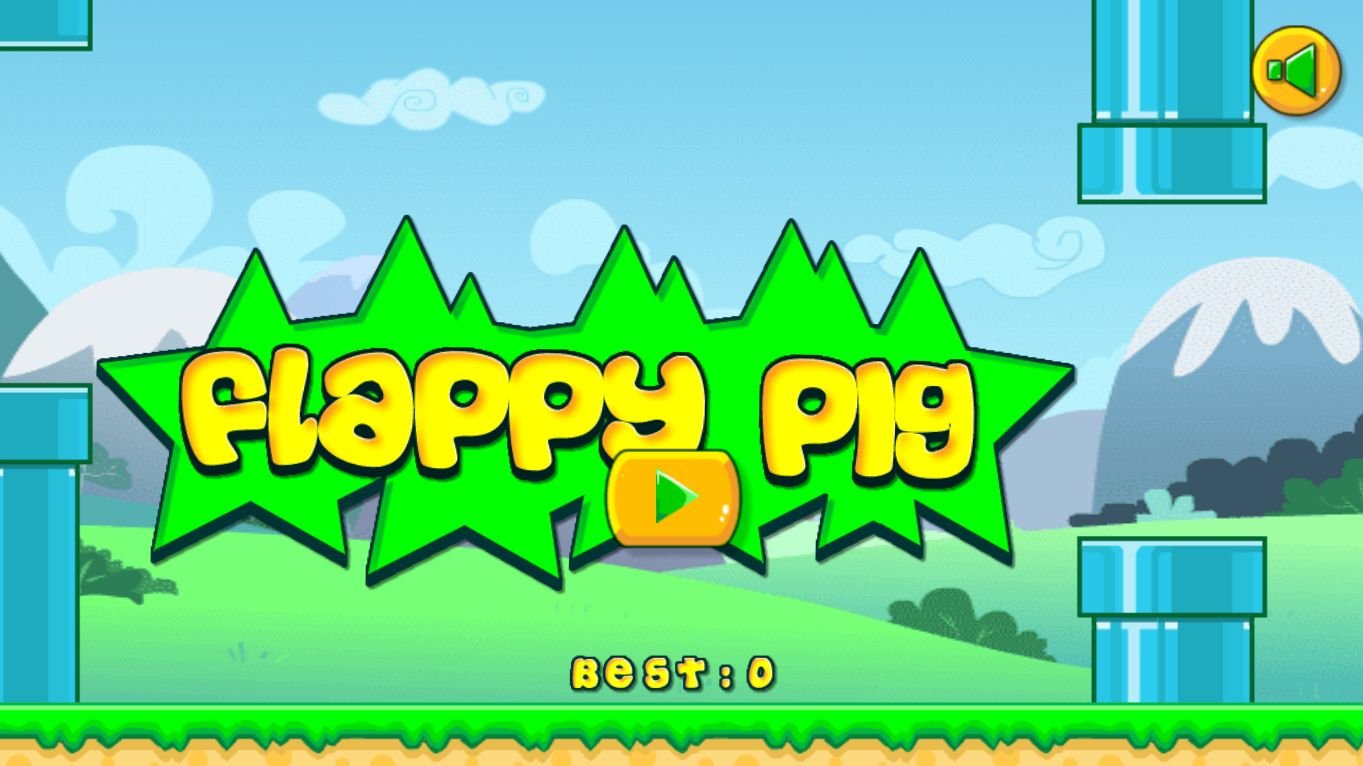 Flappy Pig
Aim for the opening ahead instead of correcting only when the pig nears an obstacle. Several small lifts leave more room to adjust than an oversized rise that carries you toward the upper edge.
The pig gains height on a flap and drops between flaps. A gap above the pig and a gap below it therefore feel different even when the openings are the same size.
Flappy Pig places a small flying pig in a scrolling route with obstacles above and below the available opening. The central task is to balance upward flaps with the room needed to descend. Begin by observing how the pig moves after a short input, then compare that motion with the next gap. An early understanding of the rise and fall is more useful than a frantic attempt to stay at one fixed height regardless of what the route presents.
Aim for the opening before the pig reaches its edge. Correcting only when the character is already beside an obstacle leaves little time for the movement to take effect. Look at the vertical space you want to enter and prepare the approach while there is still room. Several measured lifts can provide clearer control than an oversized rise followed by a desperate attempt to come down. The useful height is the one that fits the next passage, not the highest point the pig can reach.
After passing an opening, inspect the following one immediately. It may require a different approach, so do not continue the previous rhythm without looking. The space between obstacles is also part of the challenge: it gives you time to recover and line up the pig for the next passage. On a phone, choose an input position that does not cover the character or the edge of the approaching gap. Seeing the available clearance helps you judge whether another lift is necessary.
The score is useful feedback after the decisive part of a passage, but the obstacle edges provide the information needed while controlling the flight. If an attempt ends, identify whether the pig approached too high, too low or with too little time to settle. Make that specific correction on the next run. Repeating a fixed tapping pattern without reference to the visible gap can produce different outcomes as the route changes. A steady session therefore comes from reading each opening, applying only the lift it requires and allowing enough room for the following descent. Treat every passed obstacle as preparation for another decision rather than a reason to stop watching the course.
Balance upward flaps and descent to keep the pig inside the openings between obstacles.
Begin while approaching the opening, rather than waiting until the pig is already beside the obstacle edge.
It can remove the room needed to settle into the gap and make the following correction harder.
Identify whether the approach was too high, too low or too late, and adjust that part of the next attempt.
Found a control that behaves differently? Tell us the game name and your device.
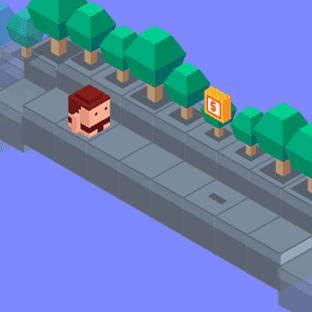




Improve Cross Runner with practical bridge alignment, hazard timing, landing checks and smarter coin and key collection routes.
Read article ↗
Understand camera rotation, layer turns, centers, edges and corners in Cube 3D. Learn reversible moves and plan a standard 3×3 solve step by step.
Read article ↗
Learn the leaf traversal rules, plan flower-planting routes and use Undo to recover from awkward moves in Emoji Puzzle on RobixGame.
Read article ↗
Find exposed matches, clear rising rows and stay below the red line in Pet Merge on RobixGame. Includes a browser check, worked examples and a practi…
Read article ↗