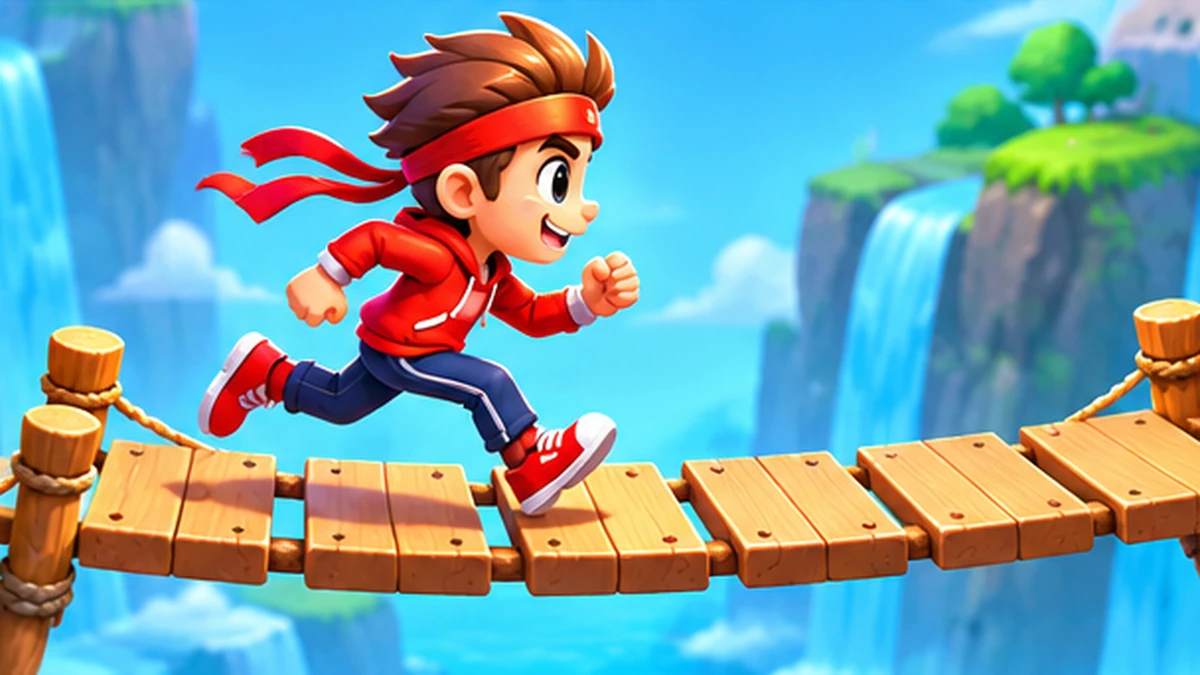
Cross Runner: Master Narrow Bridges, Jump Landings and Obstacle Timing
Improve Cross Runner with practical bridge alignment, hazard timing, landing checks and smarter coin and key collection routes.
Read article ↗
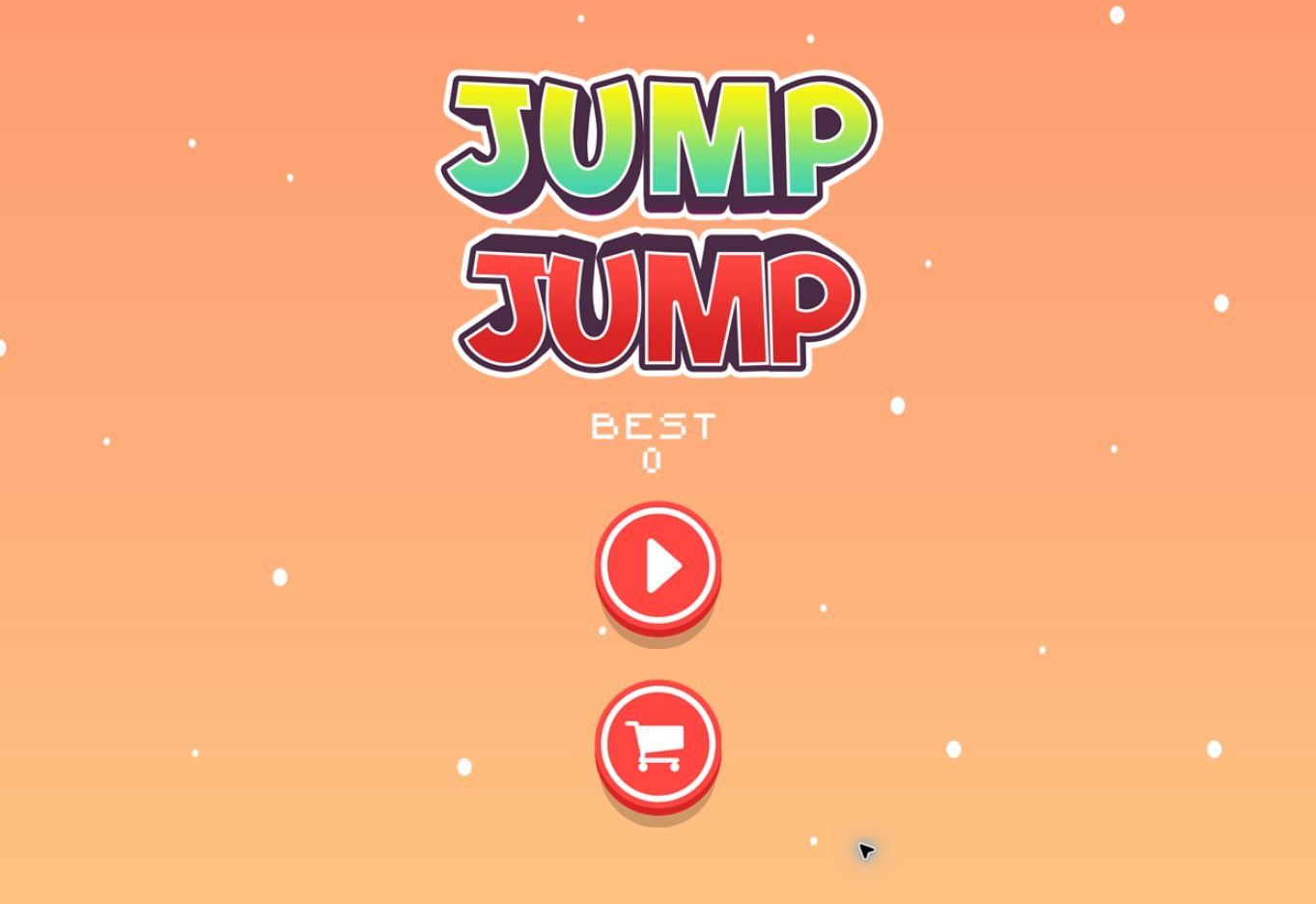
Jump Jump turns a blocky runner's course into a sequence of take-offs shaped by the distance between obstacles.
Play here in the browser.
 Jump Jump
Views, plays and likes include starting counts.
Watch where the character lands after each leap. Starting the next jump from an awkward position can matter more than a small difference in timing, so read the space between hazards as part of the obstacle.
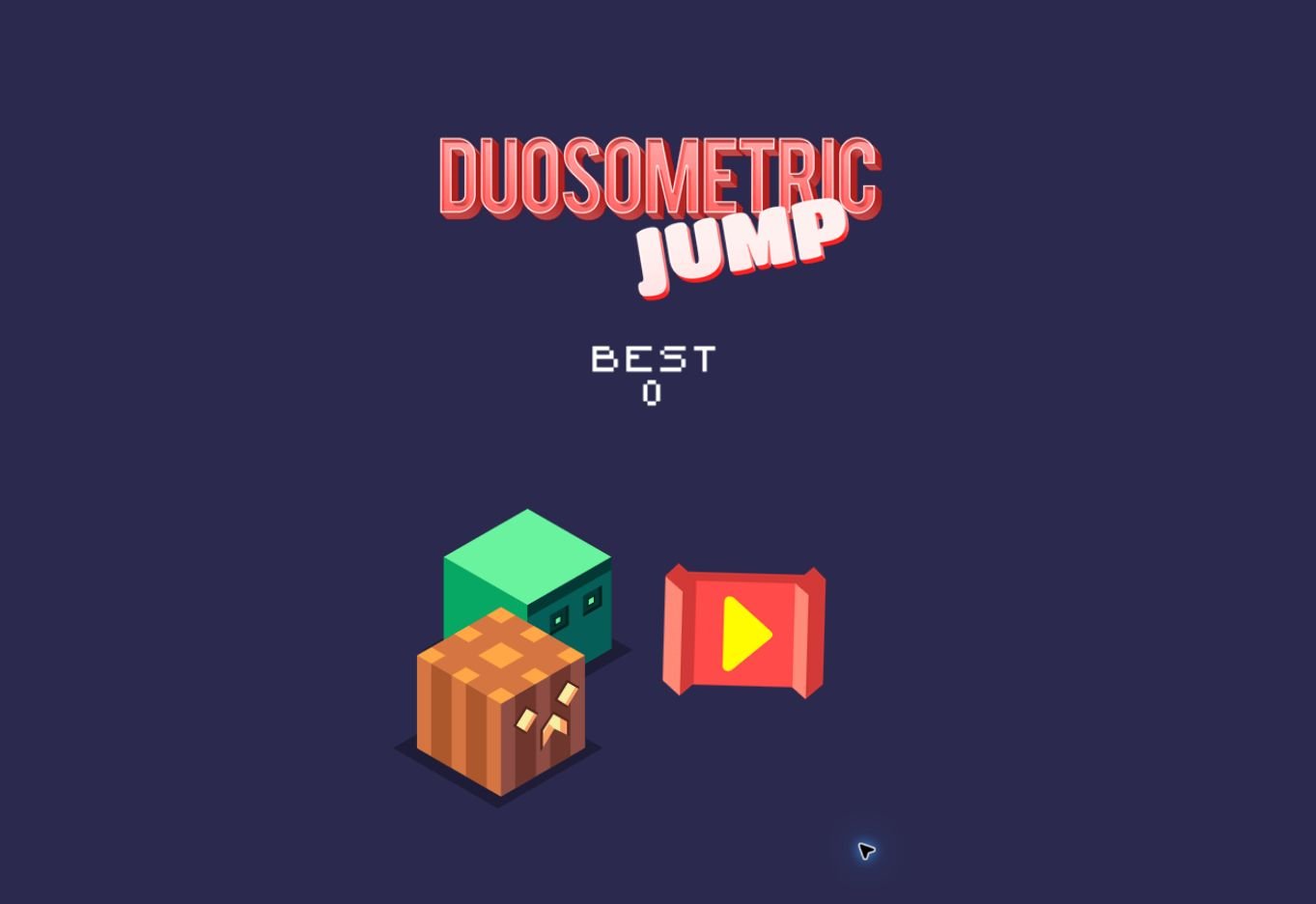
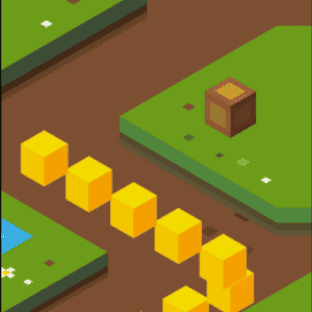
Jump Jump follows a block-shaped runner through a course of obstacles and coins. Its menu includes character-selection controls before Play, so make that choice before concentrating on the route. Once the run begins, the important information is the spacing between the runner, the next obstruction and the ground beyond it. A jump needs both enough clearance to pass the hazard and a useful place to finish. Watching only the take-off can leave the next action dependent on a landing you did not inspect.
Use the opening obstacles to establish the response of the jump control. Compare the position where you acted with the place the runner reached. If a leap falls short, examine whether the input was late or whether the approach left too little room. If it carries the runner beyond a comfortable landing, make a smaller timing adjustment rather than changing the whole routine immediately. Repeating a movement you understand gives the next comparison a reference; repeating an unexplained miss does not.
Coins add a route choice to the running challenge. A line of rewards can suggest a path, but first check whether that path leaves the runner supported after the jump. A pickup beside an awkward obstacle is not automatically worth the adjustment. When two hazards are close together, look at the ground between them as part of the problem. It determines whether the runner can settle before the following leap or needs preparation as soon as the first movement ends.
On a phone, keep the next landing visible around your input area. Try not to shift attention toward the coin total while approaching the decisive edge. Read the result after the movement resolves, then return to the route ahead. If an attempt ends, remember the last clear landing and the next obstacle arrangement rather than only the final collision. A new run can then test one practical change, such as looking farther beyond a reward or preparing the second jump earlier. That makes progress a sequence of deliberate landings rather than a fixed tapping rhythm.
No. Whichever character you select, check the support beyond each obstacle before committing to its path.
The landing determines the starting position for the next action. Clearing an obstacle alone is not the whole route decision.
Check that the reward path still provides a usable landing and continuation before adjusting toward it.
It shows whether the runner has room to settle or must prepare another action immediately.
Found a control that behaves differently? Tell us the game name and your device.


Improve Cross Runner with practical bridge alignment, hazard timing, landing checks and smarter coin and key collection routes.
Read article ↗
Understand camera rotation, layer turns, centers, edges and corners in Cube 3D. Learn reversible moves and plan a standard 3×3 solve step by step.
Read article ↗
Learn the leaf traversal rules, plan flower-planting routes and use Undo to recover from awkward moves in Emoji Puzzle on RobixGame.
Read article ↗
Find exposed matches, clear rising rows and stay below the red line in Pet Merge on RobixGame. Includes a browser check, worked examples and a practi…
Read article ↗